 By Admin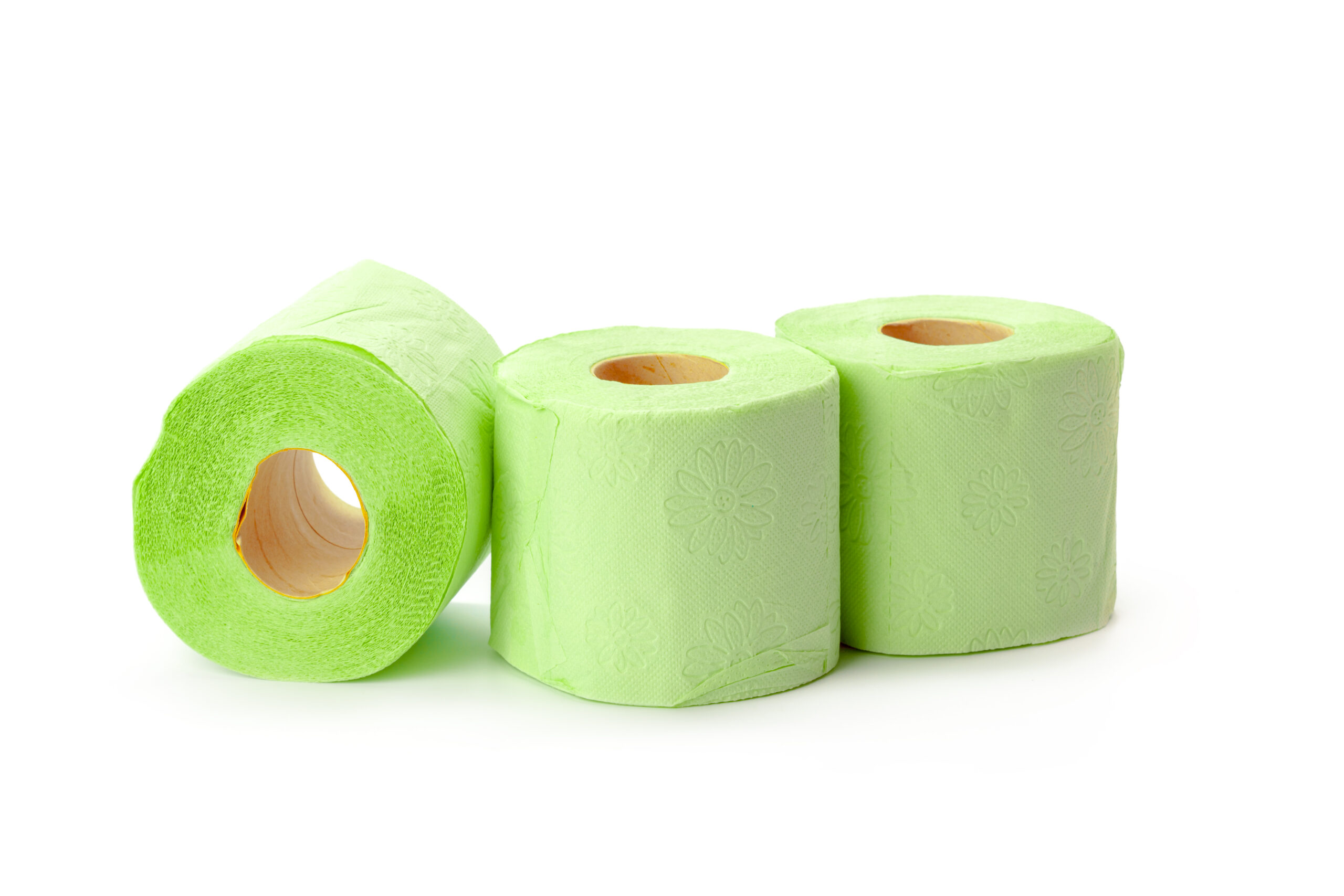
Creating a green home is no longer a trend; it is a meaningful lifestyle choice that supports the health of our planet. Many people in the UK are now shifting towards eco-friendly living, but knowing where to begin can often feel overwhelming. The good news is that turning your home into an environmentally conscious space does not require a complete transformation overnight.
It starts with simple, thoughtful decisions that reduce waste, conserve energy, and promote sustainability. In this guide, we will explore how to begin your journey towards a Green Home, Green Planet: Where to Start Your Eco Journey and take practical steps to live more sustainably.
Understanding What It Means to Have a Green Home
A green home is built around the idea of reducing environmental impact while creating a healthy, efficient, and comfortable living space. It is not just about installing solar panels or using fancy gadgets. It is about small, consistent actions such as minimising waste, conserving water, and choosing products that are kind to the planet.
When you make mindful choices every day, you help decrease pollution, cut down on carbon emissions, and preserve natural resources. Every eco-friendly habit you adopt contributes to a larger goal. A cleaner planet for generations to come. The concept of Green Home, Green Planet: Where to Start Your Eco Journey is about building habits that make sustainability a natural part of daily life.
Start Small: Simple Steps That Make a Big Difference
You do not need to replace everything in your home at once. Begin with small changes that are easy to maintain. Here are a few areas where you can start:
- Switch to sustainable bathroom essentials
The bathroom is often filled with single-use plastics and disposable items. Swap plastic-packaged products for eco alternatives like refillable soaps and shampoos. One of the easiest and most impactful swaps is replacing traditional toilet paper with bamboo toilet rolls. Bamboo grows quickly and requires fewer resources than conventional wood pulp, making it a far more sustainable choice. - Reduce plastic in the kitchen
The kitchen is another major source of waste. Instead of cling film and plastic wraps, use reusable beeswax wraps or silicone lids. Store dry foods in glass jars and buy in bulk to cut down on packaging waste. Try replacing paper towels with reusable cloths or switch to bamboo kitchen rolls, which are stronger, washable, and last much longer. These small switches not only reduce waste but also save money over time. - Choose energy-efficient appliances
If your appliances are due for an upgrade, opt for models with high energy ratings. They use less electricity and help lower utility bills. Even simple habits like unplugging devices when not in use or switching to LED bulbs can significantly reduce energy consumption. - Conserve water
Install water-saving showerheads, fix leaks quickly, and avoid running taps unnecessarily. Water conservation is one of the easiest ways to reduce your environmental footprint.
Rethinking Cleaning Habits
Traditional cleaning products often contain harsh chemicals that harm the environment once they are washed down the drain. Instead, consider natural alternatives like vinegar, baking soda, and lemon juice for effective and non-toxic cleaning. Many brands now offer eco-friendly detergents that are biodegradable and packaged in recyclable materials.
You can also reduce waste by choosing reusable cloths instead of disposable wipes. For instance, a simple switch from synthetic tissues to bamboo tissue can help cut down on landfill waste, as bamboo is both renewable and biodegradable.
Buy Less, Choose Better
A major principle of sustainable living is mindful consumption. Before making a purchase, ask yourself if you really need the item. Can you repair or repurpose something you already own? Investing in durable, high-quality products that last longer helps reduce the demand for constant replacements.
Consider supporting local artisans and eco-conscious brands that focus on ethical production. By shopping locally, you reduce transportation emissions and contribute to your community’s economy.
Creating a Sustainable Routine
Building an eco-friendly home is about forming new habits that align with your values. You can start by:
- Setting up recycling bins for different types of waste.
- Composting food scraps to create natural fertiliser.
- Bringing reusable bags, cups, and bottles when you go out.
- Choosing products with minimal or recyclable packaging.
- Turning off lights when leaving a room.
Consistency is key. Once these actions become part of your routine, they stop feeling like extra effort. The more you practise them, the easier they become.
Involving the Whole Family
Turning your home into a green one works best when everyone participates. Involve your family members in setting sustainability goals. Teach children about the importance of caring for the planet and make eco-friendly living fun through small challenges, such as who can save the most water or who can recycle the most items in a week.
Family support makes the journey easier and helps build long-lasting habits that benefit both the environment and your household. When everyone contributes, it becomes a team effort towards achieving a Green Home, Green Planet: Where to Start Your Eco Journey.
Embracing Renewable Energy
If you are ready to take a bigger step, consider exploring renewable energy options. Solar panels, though an investment upfront, can significantly reduce electricity costs in the long term. In some UK regions, you may even be able to sell excess energy back to the grid.
Using renewable energy reduces dependence on fossil fuels and aligns your lifestyle with your environmental goals. Even smaller actions, like choosing a green energy supplier, can make a difference.
Sustainable Home Décor Choices
Decorating your home sustainably adds charm and character while supporting eco-friendly values. Opt for furniture made from recycled or responsibly sourced materials. Upcycle old pieces instead of throwing them away. Choose paint with low volatile organic compounds (VOCs) to maintain indoor air quality.
Adding indoor plants not only enhances aesthetics but also improves air quality and mental wellbeing. Plants like spider plants, peace lilies, and ferns are excellent natural air purifiers.
The Long-Term Impact of Your Choices
It is easy to underestimate how much impact one household can make. However, when millions of people commit to even small changes, the collective effect is extraordinary. Reducing waste, conserving resources, and supporting sustainable brands helps protect ecosystems, preserve biodiversity, and lower greenhouse gas emissions.
The phrase Green Home, Green Planet: Where to Start Your Eco Journey is more than just a call to action; it is a reminder that meaningful change starts at home. Every eco-friendly decision you make sends a ripple effect through your community and beyond.
Final Thoughts
Building a green home is about progress, not perfection. Every small step you take counts. Begin with manageable changes and expand as you go. Replace wasteful products, support sustainable materials, and make energy-efficient decisions. With time, you will find that eco-friendly living is not only good for the planet but also beneficial for your health, your finances, and your peace of mind.