 By Admin
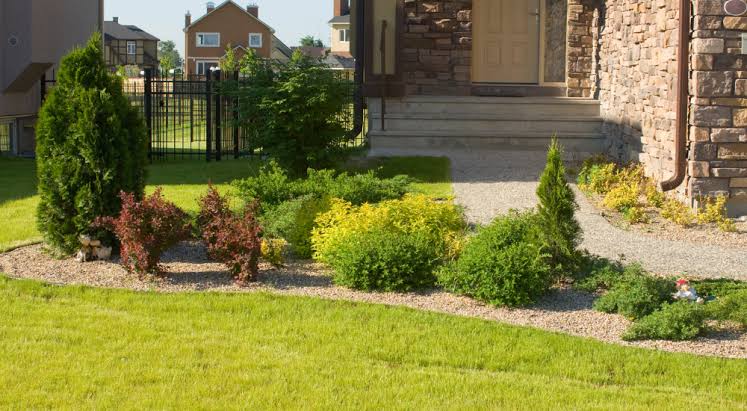
Alberta’s climate has a major influence on how outdoor spaces should be designed, built, and maintained. Cold winters, dry summers, sudden temperature swings, and variable soil conditions all affect plant health, hardscape durability, and long-term maintenance needs.
Good landscape planning starts with selecting materials and layouts that can handle these conditions. The best results often come from balancing visual appeal with practical choices that reduce water use, protect soil, and stand up to seasonal stress.
Understanding Alberta’s Growing Conditions
Many areas experience a relatively short growing season, which limits the time plants have to establish roots and recover from stress. Late spring frosts and early fall cooling can also affect tender plants, especially newly installed varieties.
Dry periods are common, and wind can increase moisture loss from soil and foliage. This makes drought-tolerant planting, efficient irrigation, and protective mulching important parts of successful landscape design.
Freeze-Thaw Cycles Matter
Repeated freezing and thawing can shift soil, crack hard surfaces, and damage poorly installed edging or retaining features. Patios, walkways, and garden borders need proper base preparation, drainage, and flexible construction methods to remain stable.
Materials should be chosen for durability in cold weather. Dense stone, quality pavers, and well-prepared gravel bases often perform better than surfaces that trap water or lack adequate support.
Plant Choices That Fit the Climate
Climate-suited plants generally require less water, less protection, and fewer replacements. Native and hardy adapted species are often better equipped to handle temperature changes, dry spells, and local soil conditions.
Useful planting choices may include:
- Hardy ornamental grasses that tolerate wind and dry soil
- Drought-resistant perennials with deep root systems
- Shrubs that handle winter exposure and spring temperature swings
- Groundcovers that reduce erosion and help retain soil moisture
- Trees selected for mature size, root strength, and cold tolerance
Effective landscaping ideas often combine plant diversity with layered design. A mix of trees, shrubs, perennials, and groundcovers creates seasonal interest while improving resilience.
Soil, Drainage, and Water Management
Soil conditions can vary widely, with some areas having heavy clay, low organic matter, or alkaline characteristics. Before planting, soil improvement may be needed to support root development and retain moisture without causing waterlogging.
Drainage is especially important near foundations, patios, and low-lying garden beds. Poor drainage can lead to frost heaving, plant decline, and structural damage over time.
Practical Water-Saving Strategies
Water-wise landscaping does not have to look sparse. It relies on smart grouping, mulch, soil preparation, and efficient watering methods. Plants with similar water needs should be placed together so irrigation can be targeted more accurately.
Helpful strategies include:
- Using mulch to reduce evaporation and moderate soil temperature
- Choosing drip irrigation for garden beds and shrub areas
- Directing roof runoff away from hardscape and toward suitable planted areas
- Reducing large turf areas where foot traffic is low
- Improving soil with compost where appropriate
Hardscape Design for Long-Term Performance
Hardscape features must be planned with movement, drainage, and seasonal expansion in mind. Walkways, retaining walls, patios, and steps should direct water away from vulnerable areas and allow for natural ground movement.
Permeable surfaces can help manage runoff, especially in areas where drainage is a concern. Gravel, permeable pavers, and properly sloped surfaces can reduce pooling and protect nearby planting zones.
Maintenance Choices That Match the Seasons
Climate-aware maintenance helps protect the investment in a landscape. Spring inspections can identify winter damage, while summer care focuses on moisture management, weed control, and plant health.
Fall preparation is also important. Watering trees and shrubs before freeze-up, removing diseased plant material, and protecting vulnerable plants can reduce winter stress.
Maintenance priorities often include:
- Checking for frost-related movement in paved areas
- Refreshing mulch around trees, shrubs, and perennial beds
- Pruning at the right seasonal stage for each plant type
- Monitoring irrigation output during hot, dry periods
- Replacing struggling plants with hardier alternatives
Planning a Landscape That Works With the Climate
A successful Alberta landscape should look attractive, function well, and respond to local weather patterns. The most reliable designs use hardy plants, durable materials, efficient water practices, and construction methods suited to freeze-thaw conditions.
When comparing landscaping companies, climate knowledge is an important consideration. Thoughtful planning can reduce repairs, lower maintenance demands, and create outdoor spaces that remain comfortable and practical through changing seasons.