 By Admin
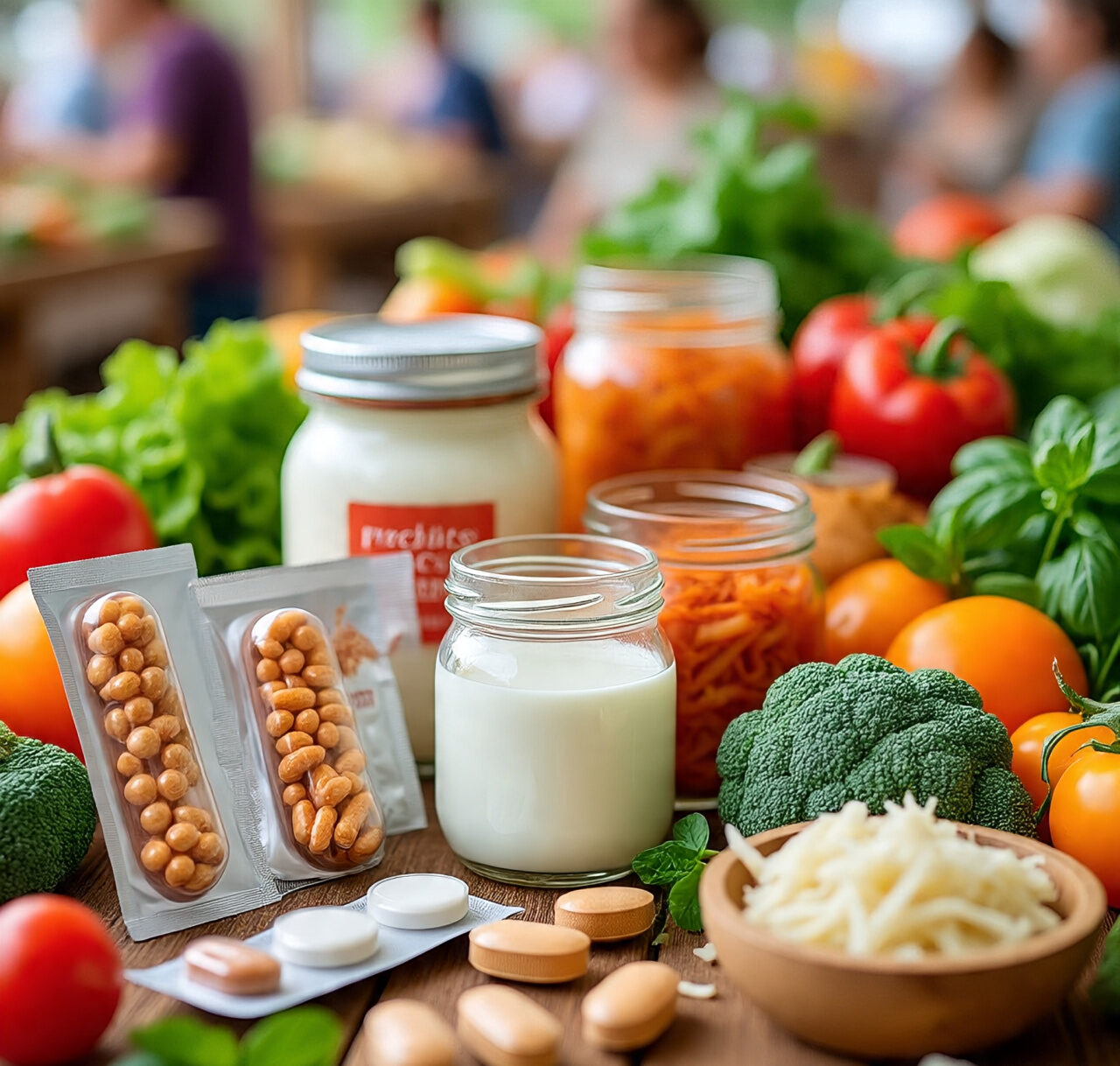
Lately, the term “fermented foods” and “probiotics” have been used a lot in the health and wellness industry. But why are they so important and what exactly are they? Simply put, probiotics refer to “good bacteria” and encourage digestion, immunity, and good stomach health.
Fermented foods have these good bacteria in built, and this renders it easy and effective to support good health through eating. So read on as in this blog we will learn about some of the common fermented and probiotic foods and how we can add them into our daily diets easily.
What Are Probiotics?
Probiotics are live, tiny organisms whose health promoting benefits occur upon consumption in moderate doses. They keep a healthy balance between good and bad bacteria in one’s intestine, aid in digestion, and even boost immunity. Consumption of probiotics decreases bloating, increases one’s nutrient absorption, and maintains healthy condition in the stomach and intestine. Where do these probiotics come from, then? Mainly through fermentation.
What is Fermentation?
The fermentation process, in simple terms, is a chemical process in which microorganisms, including yeast and bacteria, break down nutrients in foods and metabolize these nutrients into an easily digestible form. When we ferment milk, grains, or lentils, these bacteria break down sugars and develop an acid known as lactic acid. Not only do lactic acid give foods their characteristic sharp and zesty taste, but also it offers our intestine an ideal setting to grow good bacteria. This boosts digestion, suppresses harmful bacteria, and makes absorption of nutrients significantly easier. In short terms, fermentation’s lactic acid benefits our intestine, immunity, and overall health.
Fermented Foods
Fermented foods can be created through naturally converting starches and sugars to acid or alcohol by means of yeast, fungi, or bacteria fermentation. It doesn’t just preserve but also enriches food through probiotics. Some common fermented foods are as follows:
- Chaas (Buttermilk): Made by diluting yogurt in water and seasoning, chaas has abundant probiotics to act as an ideal digestive aid.
- Dhokla: Light and fluffy, it’s made from fermented gram flour snack and provides protein as well as healthy bacteria making it easy on the stomach.
- Dosa: Thin pancake prepared by fermenting rice and uraddal batter, dosa helps in maintaining gut health mostly eaten as breakfast.
- Appam: Soft and spongy, with the goodness of rice and coconut (naturally fermented), these super soft appams are easy to digest, making them a healthy breakfast option.
- Kaanji: An ancient fermented drink, this one is made with black carrots (use beetroots if black carrots are not available) and mustard seeds. It is packed with antioxidants and probiotics.
Not only are these foods known to help in digestion, they also add variety and spice to your meals. These are best served with chutneys, curries and even vegetables. You can do a whole gut friendly meal with these. And regularly eating these foods can work wonders for our gut, especially when consumed alongside a diet rich in fruits, vegetables and fibre.
Probiotics and Yoga
Gut health and yoga go hand in hand. Yoga helps in better digestion, diminishes stress, and improves overall body equilibrium. Incorporating yoga with foods rich in probiotics work to intensify positive benefits to your body and mind.
For Hyderabad residents, joining Online Yoga Classes in Hyderabad provides the perfect way to combine physical movement and conscious eating. Digestive problems diminish, and metabolism boosts through yoga, and it also encourages an integrative mindset to health as well. Whether you’re new to it or seasoned, combining yoga and probiotics can boost energy, health, and mental peace.
Taking Hyderabad Online Yoga Classes can also direct you on how to apply conscious eating to your practice of yoga. Yoga instills an awareness of the body, and this can help you detect positive changes in digestion and in general health.
Practical Tips for Beginners
- 1. Start with one fermented food a day and work up from there.
- 2. Opt for unpasteurized food whenever possible to keep the probiotics alive.
- 3. Consume your probiotics with high fiber foods to feed that gut bacteria.
- Hydrate well regularly.
Conclusion
Fermentation and probiotic foods, like chaas, dhokla, dosa, appam, and kaanji, are convenient means to induce digestion, immunity, and health. Along with Yoga, these foods constitute an integral lifestyle, which reinforces body and mind both. Consistent inclusion of these foods and practice of yoga through the means of either offline or online yoga classes in Hyderabad enables better gut health, added energy, and long term benefits to health.