 By Admin
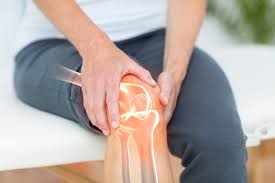
Chronic joint pain can significantly affect mobility, independence, and overall quality of life. For many people, daily activities such as walking, climbing stairs, or even simple movements become challenging. When conservative treatments like medication, physiotherapy, or lifestyle adjustments are no longer effective, surgical options may be considered. One of the most effective surgical approaches for long-term relief is arthroplasty in Hatfield, a procedure commonly known as joint replacement surgery.
In addition to arthroplasty, other procedures such as Dupuytren’s contracture surgery address specific conditions that limit mobility and hand function. Understanding how these surgeries work, who can benefit, and what results to expect is key for patients exploring long-term solutions for chronic joint or hand-related pain.
What is Arthroplasty?
Definition and Purpose
Arthroplasty is a surgical procedure designed to restore the function of a damaged joint. It often involves replacing the joint with an artificial implant, typically made from metal, ceramic, or durable plastic. The goal is to relieve pain, improve mobility, and allow patients to return to an active lifestyle.
Commonly Treated Joints
- Knees – Knee replacements are among the most common forms of arthroplasty, used for patients with severe osteoarthritis or injury.
- Hips – Hip arthroplasty restores mobility and reduces pain in patients with degenerative conditions or fractures.
- Shoulders – Used when shoulder arthritis or rotator cuff injuries cause persistent pain and stiffness.
- Elbows and other joints – Less common but still beneficial for specific patients.
Causes of Chronic Joint Pain
Chronic joint pain may result from several underlying conditions:
- Osteoarthritis – Wear and tear of the cartilage over time.
- Rheumatoid arthritis – An autoimmune disorder that damages joints.
- Injury or trauma – Accidents or sports injuries can accelerate joint damage.
- Degenerative conditions – Long-term use and age-related changes affect joint health.
When non-surgical treatments no longer provide relief, arthroplasty in Hatfield may be recommended.
How Arthroplasty Relieves Joint Pain
Restoring Joint Function
By replacing the damaged joint surfaces with artificial implants, arthroplasty eliminates the painful friction caused by bone rubbing against bone.
Improved Mobility
Patients often regain the ability to move more freely, making it easier to perform everyday tasks.
Long-Term Pain Relief
Unlike temporary treatments, arthroplasty provides lasting results, with most artificial joints lasting 15 to 20 years or more.
Enhanced Quality of Life
With less pain and improved function, patients can enjoy greater independence and confidence in daily life.
The Arthroplasty Procedure
Pre-Surgery Assessment
Patients undergo a thorough evaluation to ensure they are suitable candidates. This includes medical history, imaging scans, and physical examinations.
The Surgery
During the procedure, the surgeon removes the damaged joint surfaces and replaces them with artificial implants. The approach varies depending on the joint being treated.
Recovery and Rehabilitation
Post-surgery rehabilitation is crucial. Physiotherapy helps patients regain strength, flexibility, and balance. Most patients see steady improvements within a few months.
Dupuytren’s Contracture Surgery: A Related Option
While arthroplasty focuses on major joints, some conditions affect smaller joints, particularly in the hands. One example is Dupuytren’s contracture, a condition where the tissue under the skin of the palm thickens, pulling fingers into a bent position.
How Surgery Helps
Dupuytren’s contracture surgery involves removing or releasing the affected tissue so the fingers can straighten. Like arthroplasty, the goal is to restore function, reduce discomfort, and improve daily living.
When is it Needed?
Surgery is considered when the contracture interferes with hand function, making it difficult to grasp objects or perform routine tasks.
Who Can Benefit From Arthroplasty in Hatfield?
Suitable Candidates
- Patients with advanced arthritis that no longer responds to non-surgical treatments.
- Individuals experiencing severe, ongoing joint pain that limits daily activities.
- Patients with joint damage from trauma or degenerative conditions.
Factors to Consider
- Overall health and fitness for surgery.
- Expectations regarding recovery and activity levels.
- The condition of surrounding muscles, tendons, and ligaments.
Risks and Considerations
Like any surgery, arthroplasty carries some risks:
- Infection at the surgical site.
- Blood clots in the legs or lungs.
- Implant loosening or wear over time.
- Stiffness or reduced mobility if rehabilitation is not followed properly.
Fortunately, advances in surgical techniques and implant technology have significantly reduced these risks, making arthroplasty in Hatfield a safe and reliable option for many patients.
Tips for Maintaining Results After Arthroplasty
Follow Rehabilitation Plans
Attending physiotherapy sessions and completing exercises at home is critical to long-term success.
Maintain a Healthy Weight
Reducing stress on the replaced joint extends the lifespan of the implant.
Stay Active but Cautious
Low-impact exercises such as walking, swimming, or cycling help strengthen muscles without overloading the new joint.
Regular Medical Check-Ups
Routine follow-ups with the surgeon help track progress and detect any potential issues early.
Final Thoughts
Both arthroplasty in Hatfield and Dupuytren’s contracture surgery provide significant relief for patients living with chronic joint or hand-related pain. Arthroplasty offers long-term benefits by restoring mobility and function in major joints, while Dupuytren’s surgery addresses hand deformities that interfere with daily activities.
For patients struggling with persistent pain or mobility challenges, consulting a qualified orthopaedic surgeon in Hatfield can be the first step toward regaining comfort, movement, and independence. With the right surgical care, rehabilitation, and ongoing lifestyle adjustments, these procedures can provide lasting improvements in both physical health and overall quality of life.