 By Admin
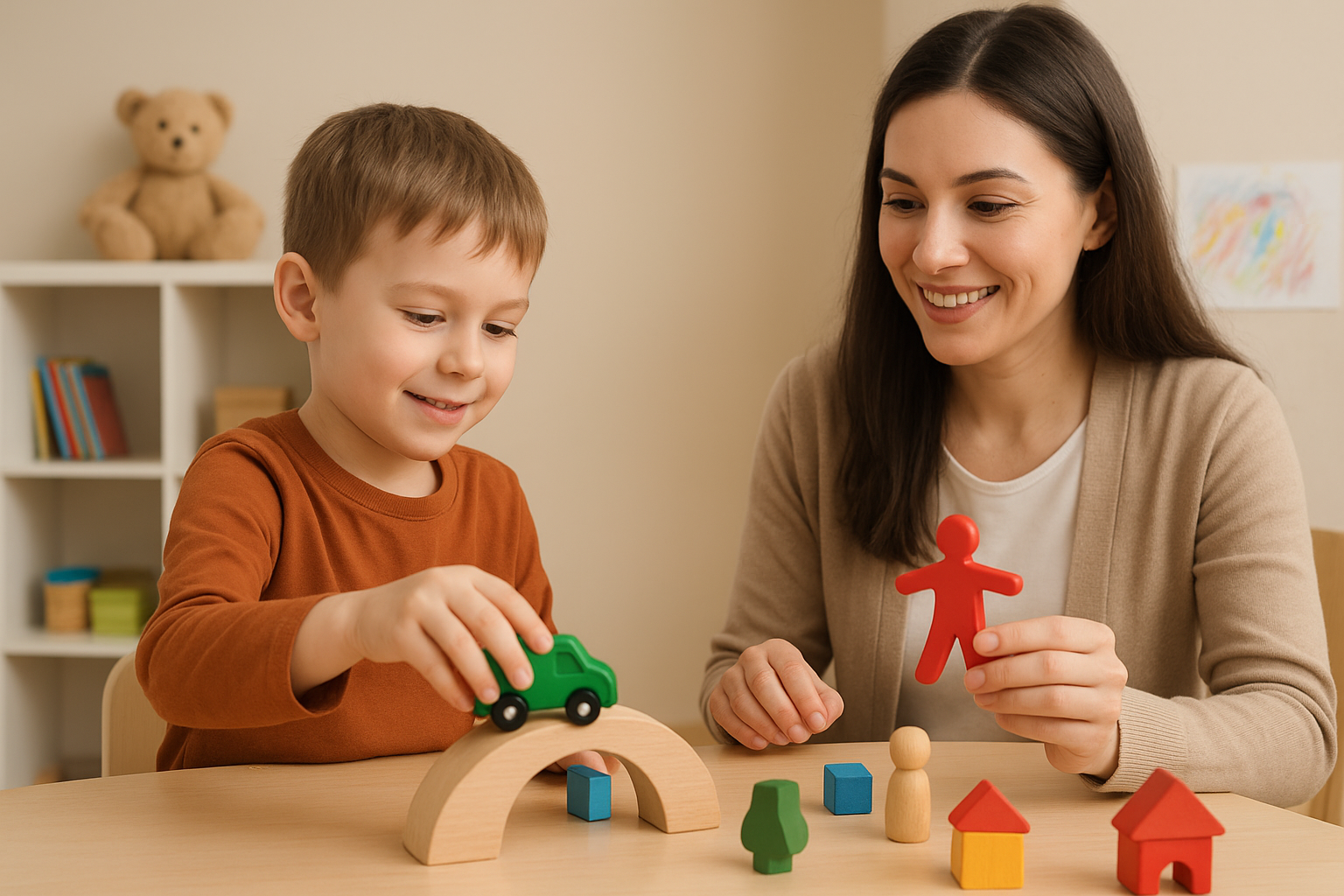
Children experience the same range of emotions as adults: joy, sadness, fear, anger, and confusion. However, they often lack the vocabulary or emotional awareness to articulate these feelings. For many, trying to explain what they’re going through can feel overwhelming or even impossible. This is where play therapy, a specialized form of child therapy, becomes a powerful tool.
Play therapy uses toys, games, creative activities, and imaginative play to help children express themselves naturally and comfortably. Instead of relying on words, children communicate through actions, stories, and play scenarios—revealing what’s on their minds and in their hearts.
Understanding Child Therapy
Child therapy is a branch of counselling or psychotherapy that focuses on supporting the emotional, social, and cognitive development of children. It addresses a wide range of challenges, such as:
- Behavioral problems
- Anxiety and depression
- Grief and loss
- Trauma or abuse
- Family changes such as divorce or relocation
- Social and learning difficulties
Therapists use different approaches depending on a child’s needs, and Play TherapyNorth Vancouver is one of the most effective methods for younger children who may not respond well to traditional talk therapy.
Why Play Works as a Language for Children
Play is a child’s natural form of self-expression. Just as adults talk through their problems, children “play through” them. In a safe and supportive environment, toys become their words, and play scenarios become their sentences.
For example:
- A child who has experienced a loss might repeatedly act out a story of separation using dolls.
- A child dealing with anger might choose aggressive toys or build and knock down structures.
- A child feeling anxious might arrange items carefully or create “safe spaces” in their play.
Through these actions, therapists can observe patterns, identify emotional themes, and help the child process feelings in a non-threatening way.
How Play Therapy Helps Children Express Emotions
Let’s discuss the role play therapy plays in helping children express their emotions.
1. Providing a Safe Emotional Outlet
Children often suppress difficult feelings because they fear punishment, rejection, or not being understood. Play therapy creates a space where they can explore emotions without judgment. A trained child therapist helps them feel safe enough to express sadness, anger, or fear in a healthy way.
2. Encouraging Symbolic Expression
Not all emotions can be directly stated, especially when a child doesn’t have the language for them. Play therapy allows symbolic expression—where toys, art materials, and storytelling represent the child’s inner world. This symbolic play often reveals emotions that might otherwise stay hidden.
3. Reducing Anxiety and Building Trust
Children are more likely to open up when they’re engaged in a fun, familiar activity. Play naturally lowers anxiety, making it easier for them to share parts of their experience. As trust builds between the child and therapist, deeper emotional work becomes possible.
4. Helping Children Make Sense of Experiences
Through play, children can “rehearse” situations and outcomes, helping them understand and process past events. This can be especially helpful after trauma, as they can explore what happened at their own pace, guided by the therapist.
5. Teaching Emotional Regulation Skills
Play therapy isn’t just about expression—it’s also about learning. Therapists use games and activities to teach children coping strategies, such as calming techniques, problem-solving skills, and ways to express needs appropriately.
The Role of the Child Therapist
A skilled kids therapist near me doesn’t simply watch the child play—they engage with purpose. They choose toys and activities that encourage emotional expression, gently guide the child toward insights, and provide validation for their feelings.
The therapist also works with parents or caregivers, offering guidance on how to support the child at home. This might involve:
- Encouraging open-ended playtime together
- Avoiding judgment when a child expresses strong emotions
- Recognizing signs that the child may need extra emotional support
Benefits Beyond the Therapy Room
Children who participate in play therapy often show improvements in:
- Emotional awareness and expression
- Communication skills
- Self-esteem and confidence
- Behavior regulation
- Social relationships
They become better equipped to handle challenges, manage their feelings, and seek help when needed—all skills that benefit them well into adulthood.
Conclusion
For children, emotions can be confusing, overwhelming, and hard to put into words. Play therapy bridges that gap by giving them a language they understand—the language of play. Within the framework of child therapy, it offers a safe, creative, and effective way for children to share their inner world, process difficult experiences, and learn healthier ways to cope.
By understanding the value of play therapy, parents and caregivers can better support children in expressing themselves and building emotional resilience—one playful moment at a time.