 By Admin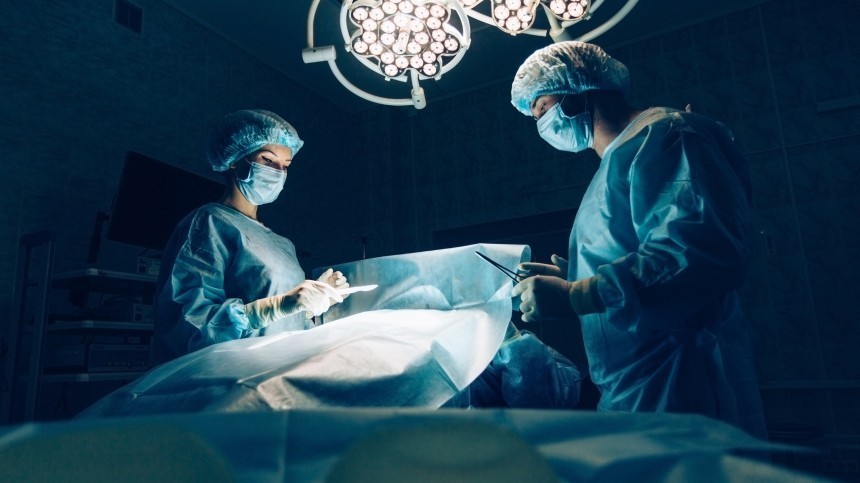
One of the most challenging issues in today’s health realm is cancer. Multifactorial treatment is mandatory, with surgical oncologists taking a forefront role. These medical professionals have a particular focus on surgery and strive to extract tumours and cancerous tissues from the bodies of affected individuals. With the aid of modern medical technologies, these professionals give hope to millions of patients. Cancer care incorporated with advanced technology ensures that patients receive precision treatment along with other forms of aid necessary during the process.
The Role of Surgical Oncologists
Surgical oncologists are specially trained physicians who undergo further training in the oncology fields. They team up with the medical oncologist, a radiation oncologist, and other allied health personnel to provide holistic care for a cancer unit. Their main responsibilities entail the following:
Conducting imaging modalities coupled with biopsies to diagnose cancer
Executing the surgical removal of malignant tumour masses with optimal conservation of unaffected tissues of the body
- Removing the affected lymph nodes surgically that may lead to cancer metastasis
- Repairing the tissues that were removed surgically during the tumour excision to restore normal form and function
- Working with other oncologists and non-oncologist specialists to holistically treat cancer
Their prowess in performing advanced surgical procedures puts them in an expanded scope to manage cancer patients optimally.
Precision in Surgical Oncology
The integration of new technologies has changed the field of surgical oncology. Currently, techniques that are precise enable the use of minimalist approaches which result in shorter recovery periods and better results for the patient. The following are some of the important procedures:
Minimally Invasive Surgery
Robotic and laparoscopic surgeries allow the surgeon to access the operation site through tiny incisions, thereby reducing the stress caused to the patient’s body. These procedures offer:
- Less blood loss
- Enhanced recovery rate
- Decreased chances for infection
Image Guided Surgery
MRI, CT, and PET scans help surgeons during the operation by providing imaging aids which assist the surgeon in accurately excising tumours and healthy tissues.
Laser and Cryosurgery
These procedures consist of the use of light or cold to eliminate targeted cancer cells with precision and minimal damage to the tissues.
Reconstructive Surgery
After doctors excuse the tumour, the surgical oncologist can perform other surgical procedures to help achieve desired functional and aesthetic outcomes, particularly post breast cancer surgery.
Choosing the Right Surgical Oncologist
Effective treatment depends on choosing an appropriate surgical oncologist. To make the right choice consider the factors below:
Fellowship Training – Ensure there is specialisation in the specific type of cancer diagnosed.
Hospital Affiliation – It is wise to consult a specialist associated with an established cancer hospital or centre that has modern facilities for cancer surgery.
Patient Reviews and Success Rates – Check testimonials and survival rates to assess the surgeon’s effectiveness. Now in the era of social media, analysing patient reviews and success rates has become increasingly easy. Thoroughly examining testimonials helps in understanding the effectiveness of the surgeon which can often be seen through the survival rate as well.
Communication and Support – Clear, answered information as well as emotional support should be provided by a decent oncologist. Always reachable and clearly articulate with performed services, a good oncologist offers answers to questions surrounding an emotional spectrum.
The Future of Surgical Oncology
Exploration of new advancements in research and technology will help improve oncologic surgery, in which scientists look into: With technology and ongoing analysis, the future of surgical oncology looks bright.
Scientists are investigating:
AI in Surgery – Systems based on AI technologies are increasingly taking responsibility for accurate dissection of the tumour. The reason for this happens to be the continuous development and integration of Artificial Intelligence systems into surgeries that are enabling precise tumour resection.
Personalised Cancer Treatment – Tailoring the genetic profile enables personalisation of the surgical intervention, during which the DNA constructed forms are used. This highly selective individual approach is facilitated by the performed genetic profiling.
Enhanced Recovery Protocols – Better refractive care is leading to a reduction in hospitalisation duration and is helping improve recovery rates. Along with improved refractive care, changes in the pre-operative and post-operative procedures enhance the speed and quality of recovery.
Suggested Read: Medical Oncology
Conclusion
Surgical oncologists are leaders in the treatment of cancer because of the precision care they provide to significantly improve patient outcomes. While patients undergo surgery, various techniques, methods, and machinery are employed which will always ensure an enhanced cancer survival rate while reducing the side effects of surgical treatments. Having an experienced specialist in surgical oncology care can make a crucial difference in treatment as well as speed up the recovery process for one, and loved ones, may want.