 By Mk-digital.co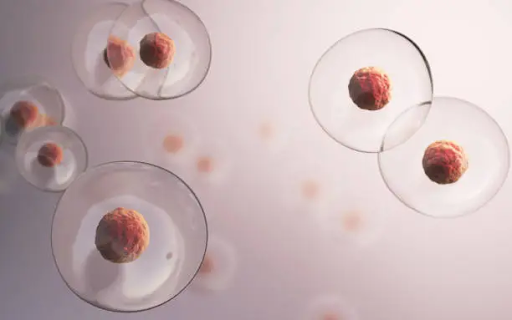
In recent years, stem cell science has revolutionized the field of regenerative medicine, offering hope for conditions once thought untreatable. As technology advances, stem cell therapy near me searches are becoming more common, reflecting a growing curiosity about how these cells can restore damaged tissues, accelerate healing, and even fight chronic diseases. But as more people learn about these breakthroughs, a pressing question arises—should you consider stem cell banking to preserve your cells for potential future treatments?
Understanding stem cell banking
Stem cell banking is the process of collecting, processing, and storing stem cells—usually from sources such as umbilical cord blood, bone marrow, or adipose (fat) tissue—for future use. These cells can later be used in Fort Myers stem cell therapy or other regenerative procedures if you face an injury or disease requiring cellular repair. The purpose of banking is simple: to safeguard your body’s most potent healing tools before age or illness diminishes their potential.
Modern stem cell banks use cryopreservation technology to keep cells viable for decades. This means that the stem cells collected today could remain helpful in personalized treatments in the future. Parents are increasingly choosing to store their newborns’ cord blood stem cells, while adults may opt to preserve their adipose-derived cells for future regenerative or cosmetic procedures.
Why people are considering it
Stem cells hold unique regenerative abilities. They can transform into different types of cells—like muscle, cartilage, or nerve cells—depending on the body’s needs. These remarkable characteristics make them essential for cutting-edge treatments in orthopaedics, neurology, and even cardiac care.
For example, Fort Myers stem cell therapy has shown promise in helping patients recover from joint injuries, arthritis, and degenerative conditions by using the body’s own cells to stimulate natural repair. Banking your stem cells now could ensure access to a younger, healthier version of your own cells for such treatments later in life. Additionally, advancements in research suggest future uses may include managing autoimmune disorders, diabetes, or even neurodegenerative diseases.
Potential drawbacks to consider
While stem cell banking is an exciting opportunity, it also comes with considerations. Costs for collection and long-term storage can vary depending on the type of cells and the facility. Moreover, current research continues to explore the full potential of stored stem cells for various medical conditions. This means while the technology is promising, it is still evolving, and outcomes may differ based on individual cases.
Is stem cell banking right for you?
Deciding whether to bank your stem cells depends on personal health goals, family medical history, and financial factors. If you are considering future regenerative or anti-ageing treatments, stem cell banking could be a valuable long-term investment. By preserving cells today, you keep open the possibility of accessing cutting-edge therapies that could enhance quality of life as science progresses.
To learn more about how regenerative medicine could support your wellness journey, explore stem cell therapy options near you with experts at Fort Myers stem cell therapy clinics. Their personalized approach helps patients make informed decisions about modern, science-backed treatment opportunities.