 By Admin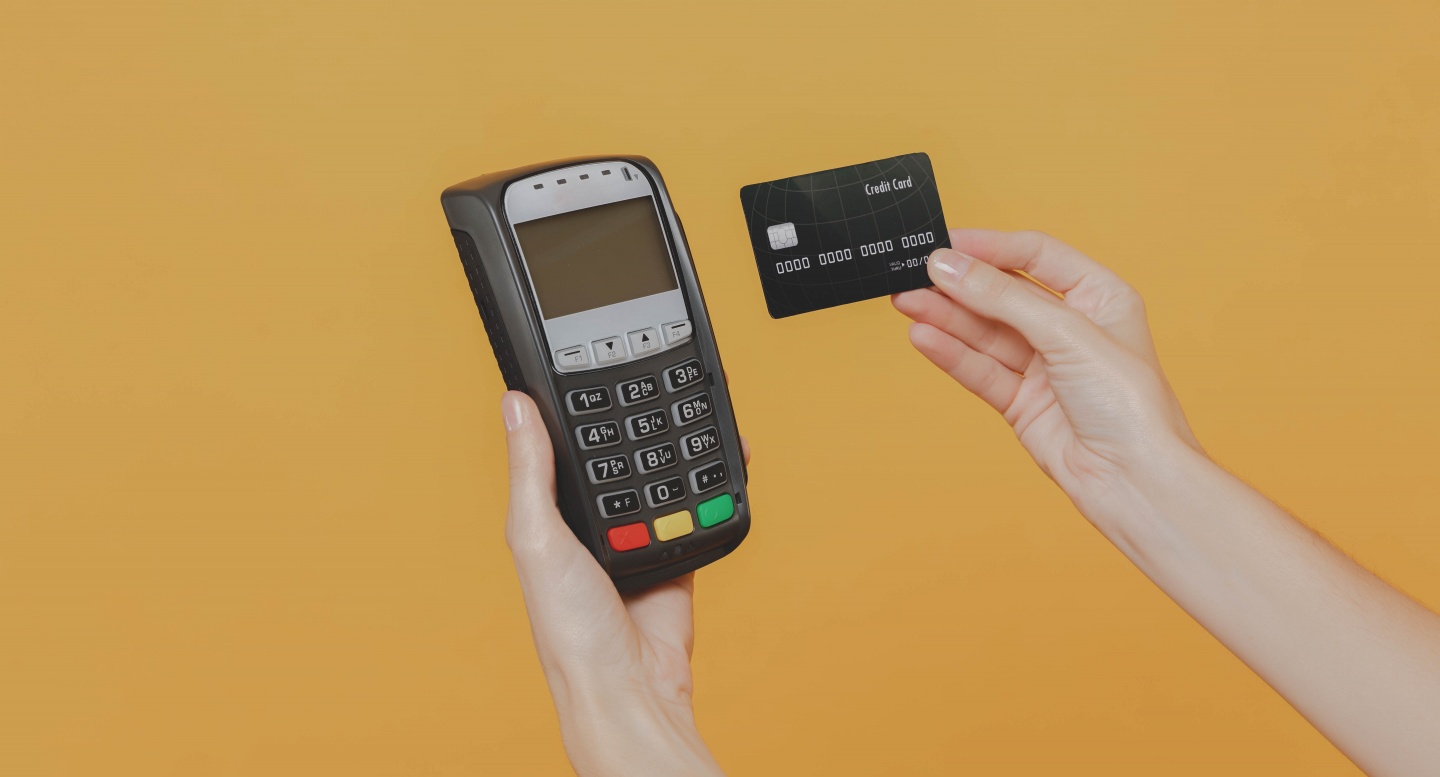
The contactless payment method involves the movement of security tokens closely to the vendor’s point of sale reader. These security tokens include cards and digital wallet applications. Moreover, there are some biometric payment methods that are widely used across the world. Payment method in biometric authentication includes iris and retina scan, face verification, and voice verification. These are some of the hygienic ways of making payments which are far better than exchanging money by hand. This frictionless method of payment is also known as proximity payments, tap-and-go, or touch-free methods. Besides, it is considered a secure method of payment because it doesn’t require sharing financial details directly with the vendor.
History of Contactless Payments
There are some events in history that are evidence of the existence of this type of payment. These events include:
1995: Seoul Bus Transport first introduced the card for passengers to make contactless payments.
1996: The first version of EMV (Europay, Mastercard, and Visa) was introduced.
2004: In the US, first time the contactless cards were utilized for making payments.
2008: Visa, Mastercard, and all the others started offering the service of contactless credit cards for transactions.
2011: Apps like Google Wallets and Android Pay were introduced to enable touch-free payments with mobile phones.
2015: Thousands of merchants in the US were prompted to shift to NFC to make touch-free payments.
2018: Two above-mentioned systems namely Android Pay and Google Wallets were merged to make one that is Google Pay.
2020: COVID-19 made this system more recognized.
Security Features
It is one of the most secure methods of making payments because it has several security features to make it more reliable. These security features include encryption, two-factor authentication, and fraud prevention.
-
Encryption
Encryption and tokenization are the most crucial features. The later is a code instead of a card which contains financial details and it will become useless if hacked. On the other hand, encryption is a process that jumbles up the payment history and information so that no one can read it making it safer.
-
Two-Factor Authentication
This encryption ensures extra security for touch-free payments. It requires not only tapping a card but also using a password, fingerprint, or pay by face to verify identity. This makes it hard for the hackers to use stolen devices and get money because they will need another way of verification.
-
Fraud Prevention
Several banks have the limit to make payments to a certain amount in order to reduce risks. If the amount increases, the system will ask for another way of verification which is a PIN or password. Fraud protection systems keep a regular check on transactions and if an unusual activity is observed, the user is immediately blocked.
Benefits of Contactless Payments
This technology offers numerous benefits and it is widely used in many sectors to make secure and fast transactions. Here are some of the benefits stated below:
- This method is faster than the traditional methods of payment. It will take a single tap, eliminating the need for PINs, passwords, and cards. Besides, it also minimizes waiting time at checkout counters.
- When it is about payments, security comes first in the mind. Contactless method of payment offers strong protection. Each time face payment is made by using a code that protects card details from being hacked.
- This method of verification is crucial if implemented in public places because at such places security is needed the most.
- Carrying cash can be dangerous at times. There is no risk associated with contactless payment methods.
Conclusion
This payment method has transformed the way people make transactions. It has advanced security features that add an extra layer of security to the process. This touch-free method of payment ensures safer transactions by reducing fraud risks. Moreover, as this method gains acceptance, nontraditional financial sectors and third-party payment providers like PayPal started experimenting with ways to enhance frictionless payments. Many areas and sectors are now opting for such methods of payment such as public transportation, parking garages, road tolls, and checkout terminals. It will likely grow and enhance more to improve user experience.